

Posted on August 05 2026
Top 10 Countries for Electrical Engineers to Work Abroad: Salary, Demand & PR Opportunities Compared

By , Editor & Director
Updated September 01 2026
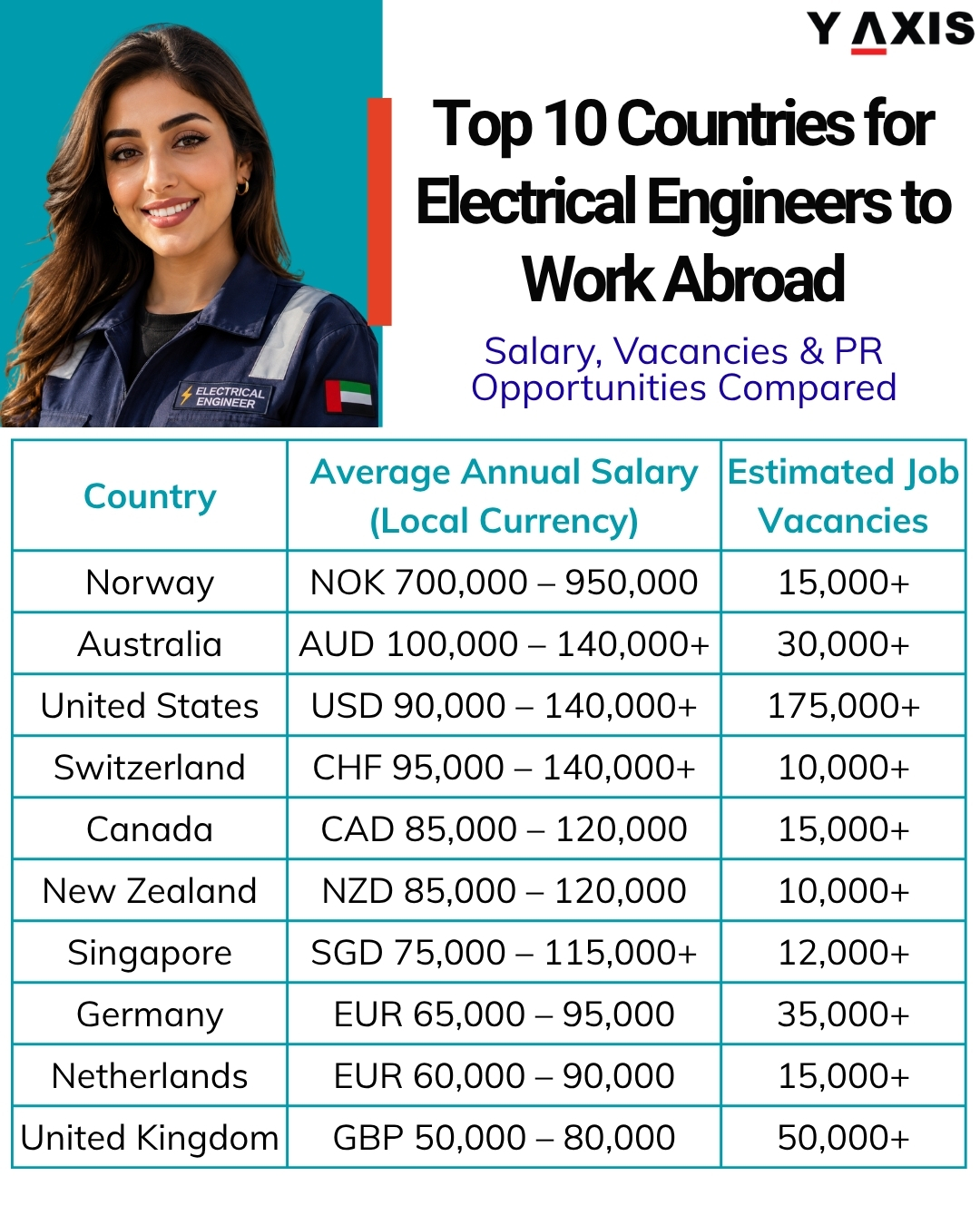
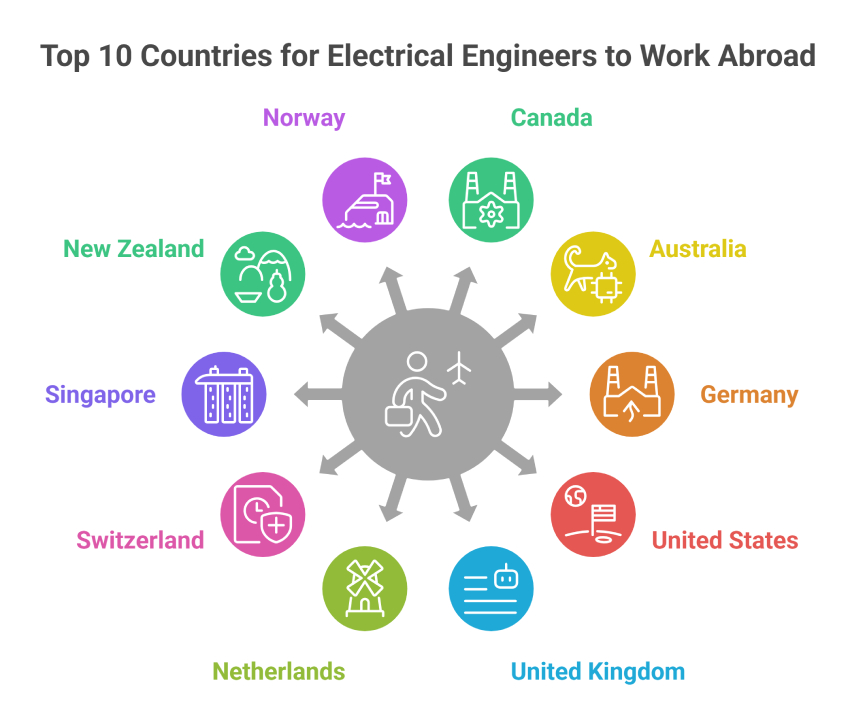
The top 10 countries for electrical engineers to work abroad include Canada, Australia, Germany, the United States, the United Kingdom, the Netherlands, Switzerland, Singapore, New Zealand, and Norway. These countries offer competitive salaries, strong demand for electrical engineers, work visa options, and permanent residency (PR) pathways.
Global demand for electrical engineers is increasing due to rising investments in renewable energy, power grid modernization, semiconductor manufacturing, electric vehicle infrastructure, AI-powered data centres, and industrial automation. According to the International Energy Agency (IEA), global electricity demand is projected to grow by an average of 3.6% annually through 2030, driving investment in electrical infrastructure and increasing demand for electrical engineers worldwide.
*Want to work abroad? Sign up with Y-Axis Resume Marketing Services to find right job faster.
Why Are Electrical Engineers in High Demand Worldwide?
Electrical engineers are in high demand worldwide because countries are modernizing power systems, expanding renewable energy, increasing semiconductor production, and building electric vehicle infrastructure. According to the International Energy Agency (IEA), the global electricity sector added 3.9 million jobs over the past five years, reflecting continued investment in electricity systems and related industries that rely on electrical engineering expertise.
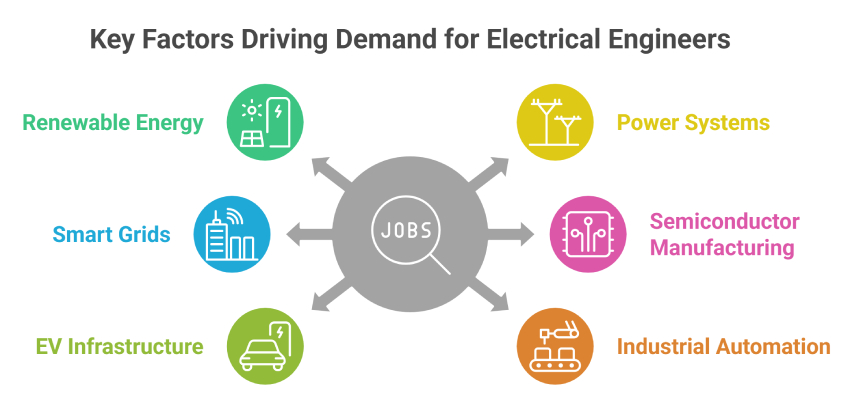
- Renewable energy and clean energy projects
- Power generation, transmission, and distribution
- Smart grid modernization
- Semiconductor and electronics manufacturing
- Electric vehicle (EV) infrastructure
- Industrial automation and smart manufacturing
How to Choose Right Country for Electrical Engineer Jobs Abroad?
Choosing the right country depends on your career goals, salary expectations, job demand, work visa options, and long-term settlement plans. Comparing these factors can help you identify the best destination for your electrical engineering career.
- Job demand for electrical engineers
- Average salary and cost of living
- Work visa requirements
- Permanent residency (PR) pathways
- Licensing or registration requirements
- Major hiring industries
- Career growth opportunities
- Quality of life
Top 10 Countries for Electrical Engineers to Work Abroad
Canada, Australia, Germany, the United States, and the United Kingdom are among the leading destinations for electrical engineers due to strong demand across the energy, manufacturing, semiconductor, and technology sectors. Growing investment in renewable energy, power grid modernization, electric vehicle infrastructure, and industrial automation continues to increase demand for electrical engineers worldwide, creating more opportunities for international employment and skilled migration.
| Country | Average Annual Salary (Local Currency) | Estimated Electrical Engineer Job Vacancies |
|---|---|---|
| Australia | AUD 100,000 – 140,000+ | 30,000+ |
| Canada | CAD 85,000 – 120,000 | 15,000+ |
| Germany | EUR 65,000 – 95,000 | 35,000+ |
| United States | USD 90,000 – 140,000+ | 175,000+ |
| United Kingdom | GBP 50,000 – 80,000 | 50,000+ |
| Netherlands | EUR 60,000 – 90,000 | 15,000+ |
| Switzerland | CHF 95,000 – 140,000+ | 10,000+ |
| Singapore | SGD 75,000 – 115,000+ | 12,000+ |
| New Zealand | NZD 85,000 – 120,000 | 10,000+ |
| Norway | NOK 700,000 – 950,000 | 15,000+ |
*Want to work abroad? Sign up with Y-Axis Resume Marketing Services to find right job faster.
Best Countries for Electrical Engineers to Work and Settle Abroad
Electrical engineers seeking to work and settle abroad consider countries with strong demand for electrical engineering roles, skilled migration programs, employer-sponsored visas, and permanent residency (PR) options. Australia, Canada, Germany, New Zealand, and the United Kingdom offer opportunities in power systems, renewable energy, electrical infrastructure, semiconductor manufacturing, and industrial automation, with industries actively hiring electrical engineers for critical projects.
Electrical Engineer Jobs in Australia
Australia offers strong opportunities for electrical engineers due to major investments in renewable energy, electricity infrastructure, mining electrification, and large-scale energy projects. Electrical engineers are required for designing power systems, connecting renewable energy projects to grids, improving transmission networks, and developing electrical solutions for mining and industrial operations. Demand is growing for roles such as power systems engineer, renewable energy engineer, electrical design engineer, and grid connection engineer. Australia’s skilled migration system, including Subclass 189, Subclass 190, and Subclass 491 visas, provides pathways for electrical engineers seeking employment and permanent residency options.
| Factor | Details |
|---|---|
| Electrical Engineer Job Market & Job Opportunities Over the Next Decade | Australia is expected to see continued demand for electrical engineers as renewable energy projects, electricity network upgrades, mining electrification, and infrastructure developments expand. More than 30,000 electrical engineer job opportunities are projected over the next decade across power, energy, utilities, mining, manufacturing, and technology sectors. |
| Workforce Expansion & Growing Industries | Australia's more than AUD 22.7 billion Future Made in Australia investment is supporting renewable energy, clean manufacturing, and strategic industries. These investments are increasing demand for electrical engineers working on solar and wind projects, battery storage systems, grid upgrades, electric vehicle infrastructure, and industrial automation. |
| Top Companies Hiring Electrical Engineers | Schneider Electric, Siemens Australia, Tesla, BHP, Rio Tinto, Woodside Energy, AGL Energy, Origin Energy, and major electricity network operators hire electrical engineers across energy, automation, mining, and infrastructure projects. |
| Top Cities with Electrical Engineer Jobs | Sydney, Melbourne, Brisbane, Perth, Adelaide, and Canberra offer electrical engineer roles across utilities, renewable energy, mining, manufacturing, defence, and technology projects. |
| In-Demand Electrical Engineer Roles & Skills | Power Systems Engineer, Electrical Design Engineer, Renewable Energy Engineer, Control Systems Engineer, Automation Engineer, Grid Connection Engineer, and Protection Engineer. Key skills include power systems, electrical design, PLC, SCADA, protection systems, and renewable energy integration. |
| Work Visa Options | Electrical engineers can apply through Skilled Independent Visa (Subclass 189), Skilled Nominated Visa (Subclass 190), Skilled Work Regional Visa (Subclass 491), Skills in Demand Visa (Subclass 482), and Employer Nomination Scheme Visa (Subclass 186). |
| Fast-Track Hiring Options | Priority processing through employer-sponsored pathways, including the Skills in Demand Visa (Subclass 482), helps Australian employers recruit electrical engineers for energy, infrastructure, mining, and technology roles. |
| PR / Long-Term Residence Options | Electrical engineers can pursue Australian permanent residency through skilled migration pathways including Subclass 189, Subclass 190, and employer-sponsored Subclass 186 pathways. |
| Eligibility for Dependents | Electrical engineers moving to Australia through skilled migration or employer-sponsored visas can include their spouse and dependent children in the visa application, allowing families to relocate together. |
| Benefits for Family Members | Family members may access spouse work rights, education opportunities for children, and healthcare benefits through Australia's healthcare system based on visa conditions. |
*Planning to Work in Australia? Let Y-Axis guide you through every step of the process.
Electrical Engineer Jobs in Canada
Canada is expanding its electricity infrastructure to support clean energy, electric vehicles, advanced manufacturing, and industrial development, creating opportunities for electrical engineers. Electrical engineers are involved in hydroelectric power systems, nuclear energy projects, smart grid upgrades, automation, and electrical systems for manufacturing facilities. Provinces including Ontario, Alberta, British Columbia, and Quebec have demand across utilities, engineering companies, energy firms, and industrial employers. Roles such as power systems engineer, electrical design engineer, automation engineer, and control systems engineer are available through Canada’s growing engineering sector. Immigration routes such as Express Entry and Provincial Nominee Programs support electrical engineers planning long-term careers.
| Factor | Details |
|---|---|
| Electrical Engineer Job Market & Job Opportunities for the Next Decade | Canada's demand for electrical engineers is increasing due to clean energy expansion, electricity grid upgrades, electric vehicle manufacturing, industrial automation, and infrastructure development. More than 15,000 electrical engineer job opportunities are expected over the next decade across energy, utilities, manufacturing, technology, and industrial sectors. |
| Workforce Expansion & Growing Industries | Canada is investing more than CAD 180 billion through the Investing in Canada Infrastructure Program and supporting clean energy, electric vehicle manufacturing, battery production, and grid modernization projects. These investments are creating demand for electrical engineers in power systems, renewable energy, automation, and industrial technologies. |
| Top Companies Hiring Electrical Engineers | Hydro-Québec, Ontario Power Generation, Siemens Canada, Schneider Electric Canada, Tesla, Bombardier, ABB Canada, General Electric Canada, and major engineering companies hire electrical engineers across energy, manufacturing, transportation, and technology sectors. |
| Top Cities with Electrical Engineer Jobs | Toronto, Vancouver, Calgary, Montreal, Ottawa, Edmonton, and Quebec City offer electrical engineer roles across utilities, renewable energy, manufacturing, transportation, semiconductor, and technology projects. |
| In-Demand Electrical Engineer Roles & Skills | Electrical Engineers, Power Systems Engineers, Electrical Design Engineers, Control Systems Engineers, Automation Engineers, Electronics Engineers, and Renewable Energy Engineers. Key skills include power systems, electrical design, PLC, SCADA, automation, protection systems, and renewable energy integration. |
| Work Visa Options for Electrical Engineers | Electrical engineers can apply through employer-specific work permits, Global Talent Stream, Labour Market Impact Assessment (LMIA)-based work permits, and other Canadian work authorization pathways. |
| Fast-Track Hiring Options | The Global Talent Stream supports faster processing for Canadian employers hiring specialised technical talent, including electrical engineers in eligible occupations and industries. |
| PR / Long-Term Residence Options | Electrical engineers can pursue permanent residency through Express Entry programs, including the Federal Skilled Worker Program, and Provincial Nominee Programs (PNPs). |
| Eligibility for Dependents | Spouses and dependent children can accompany electrical engineers through eligible Canadian immigration pathways, allowing families to relocate together. |
| Benefits for Family Members | Spouses may access work opportunities, children can access education, and families may receive healthcare coverage through provincial healthcare programs based on immigration status. |
*Want to Work in Canada? Let Y-Axis guide you through application process.
Electrical Engineer Jobs in Germany
Germany’s advanced industrial economy creates strong opportunities for electrical engineers in automotive technology, factory automation, semiconductor manufacturing, and energy systems. Electrical engineers are essential for developing electric vehicle components, industrial control systems, robotics, power electronics, and smart energy solutions. The country’s shift toward renewable energy and digital manufacturing is increasing demand for engineers who can design and manage complex electrical systems. Major employers in automotive, engineering, electronics, and technology sectors recruit roles such as automation engineer, embedded systems engineer, electrical design engineer, and power electronics engineer. Germany provides skilled worker routes and the EU Blue Card for international engineers.
| Factor | Details |
|---|---|
| Electrical Engineer Job Market & Job Opportunities for the Next Decade | Germany has strong demand for electrical engineers due to electric vehicle production, renewable energy expansion, industrial automation, semiconductor manufacturing, and power grid modernization. More than 35,000 electrical engineer job opportunities are expected over the next decade across automotive, energy, electronics, manufacturing, and technology sectors. |
| Workforce Expansion & Growing Industries | Germany is investing more than €500 billion in infrastructure and climate transformation projects by 2030, including renewable energy, electricity networks, digital infrastructure, and industrial modernization. These investments are increasing demand for electrical engineers in automation, power systems, energy technology, and advanced manufacturing. |
| Top Companies Hiring Electrical Engineers | Siemens, BMW Group, Volkswagen Group, Bosch, Infineon Technologies, BASF, ABB Germany, Mercedes-Benz Group, and major engineering companies hire electrical engineers for automotive technology, automation, electronics, energy, and industrial projects. |
| Top Cities with Electrical Engineer Jobs | Munich, Stuttgart, Berlin, Frankfurt, Hamburg, Cologne, and Düsseldorf offer electrical engineer roles across automotive, semiconductor, renewable energy, manufacturing, and technology sectors. |
| In-Demand Electrical Engineer Roles & Skills | Electrical Engineers, Power Systems Engineers, Automation Engineers, Embedded Systems Engineers, Electrical Design Engineers, Control Systems Engineers, and Electronics Engineers. Key skills include industrial automation, power electronics, embedded systems, robotics, PLC, renewable energy systems, and electrical design. |
| Work Visa Options for Electrical Engineers | Electrical engineers can apply through the EU Blue Card, German Skilled Worker Visa, Opportunity Card (Chancenkarte), and employer-sponsored work permits. |
| Fast-Track Hiring Options | Germany's Accelerated Skilled Worker Procedure helps employers speed up the recruitment process for international electrical engineers in shortage occupations. |
| PR / Long-Term Residence Options | Electrical engineers can apply for permanent residence in Germany after meeting required residence periods, employment conditions, and integration requirements. |
| Eligibility for Dependents | Spouses and dependent children can accompany electrical engineers relocating to Germany through eligible residence permit pathways. |
| Benefits for Family Members | Family members may access spouse work rights, public education, and Germany's statutory healthcare system after relocation. |
*Want to Work in Germany? Let Y-Axis guide you through every step of the process.
Electrical Engineer Jobs in the United States
The United States has one of the largest markets for electrical engineers, driven by semiconductor production, aerospace technology, defence systems, renewable energy, and digital infrastructure. Electrical engineers work on integrated circuits, electronic devices, power networks, electric vehicles, communication systems, and advanced manufacturing technologies. Growing investments in semiconductor facilities, data centres, and clean energy projects are increasing demand for engineers with expertise in electronics, hardware design, and power systems. Key roles include electronics engineer, electrical design engineer, hardware engineer, and power systems engineer. International electrical engineers often pursue opportunities through employer-sponsored work visas such as the H-1B route.
| Factor | Details |
|---|---|
| Electrical Engineer Job Market & Job Opportunities for the Next Decade | The United States remains one of the largest markets for electrical engineers, with demand rising in semiconductors, aerospace, artificial intelligence infrastructure, defence, renewable energy, and advanced manufacturing. More than 175,000 electrical engineer job opportunities are expected over the next decade across technology, energy, manufacturing, and engineering sectors. |
| Investment in Electrical Engineering & Growing Industries | The US is investing more than USD 9.6 trillion across infrastructure, clean energy, semiconductor manufacturing, advanced manufacturing, and technology sectors. These investments are increasing demand for electrical engineers working on chip production, power systems, automation, electric vehicles, and industrial technologies. |
| Top Employers Hiring Electrical Engineers | Tesla, General Electric, Intel, NVIDIA, Lockheed Martin, Boeing, Microsoft, Apple, Texas Instruments, and major energy, semiconductor, aerospace, and engineering companies hire electrical engineers for advanced technology and infrastructure projects. |
| Top Cities with Electrical Engineer Jobs | San Jose, Austin, Boston, Seattle, Houston, Dallas, New York, and major technology, manufacturing, energy, and research hubs across the US offer electrical engineer roles. |
| In-Demand Electrical Engineer Roles | Electrical Engineers, Electronics Engineers, Power Systems Engineers, Hardware Engineers, Semiconductor Engineers, Control Systems Engineers, Embedded Systems Engineers, and Renewable Energy Engineers. |
| Work Visa Options | Employer-sponsored work visas such as the H-1B visa, O-1 visa for individuals with extraordinary ability, and employment-based immigration categories are available for international electrical engineers. |
| Fast-Track Hiring Options | Electrical engineers in high-demand technology sectors such as semiconductors, artificial intelligence infrastructure, renewable energy, and advanced manufacturing may benefit from employer sponsorship opportunities. |
| PR / Long-Term Residence Options | Electrical engineers can pursue permanent residency (Green Card) through employment-based immigration pathways, including EB-2 and EB-3 categories. |
| Eligibility for Dependents | Spouses and dependent children can accompany electrical engineers through eligible US work visa and immigration pathways. |
| Benefits for Family Members | Family members may access spouse work options based on visa type, education opportunities for children, and healthcare options through employer-provided or private insurance plans. |
Electrical Engineer Jobs in the United Kingdom
The UK’s transition toward renewable energy and modern electricity networks is creating opportunities for electrical engineers across energy, infrastructure, and technology sectors. Electrical engineers are involved in offshore wind development, electricity transmission upgrades, railway electrification, smart grid projects, and industrial power systems. The growth of clean energy projects and infrastructure modernization is increasing demand for roles such as renewable energy engineer, power systems engineer, electrical design engineer, and control systems engineer. Utilities, engineering consultancies, and infrastructure companies regularly recruit electrical engineering talent. The Skilled Worker visa provides a route for international engineers, with settlement possible through Indefinite Leave to Remain (ILR).
| Factor | Details |
|---|---|
| Electrical Engineer Job Market & Job Vacancies for the Next Decade | The UK continues to show strong demand for electrical engineers, driven by renewable energy expansion, electricity network upgrades, rail electrification, offshore wind projects, and industrial automation. More than 50,000 electrical engineer job opportunities are expected over the next decade across energy, infrastructure, manufacturing, technology, and engineering sectors. |
| Workforce Expansion & Growing Industries | The UK is investing heavily in clean energy, electricity grid modernization, transport electrification, nuclear power, and digital infrastructure. Projects such as offshore wind development, smart grid upgrades, and electric vehicle infrastructure are increasing demand for electrical engineers in power systems, automation, and energy technologies. |
| Top Companies Hiring Electrical Engineers | National Grid, Siemens UK, Rolls-Royce, BAE Systems, Schneider Electric UK, ABB UK, EDF Energy, SSE, and major engineering consultancies hire electrical engineers for energy, defence, aerospace, automation, and infrastructure projects. |
| Top Cities with Electrical Engineer Jobs | London, Manchester, Birmingham, Bristol, Glasgow, Edinburgh, Leeds, and Cambridge offer electrical engineer roles across energy, technology, manufacturing, infrastructure, and research sectors. |
| In-Demand Electrical Engineer Roles & Skills | Electrical Engineers, Power Systems Engineers, Electrical Design Engineers, Control Systems Engineers, Renewable Energy Engineers, Automation Engineers, and Electronics Engineers. Key skills include power systems, electrical design, PLC, SCADA, control systems, renewable energy integration, and electrical safety standards. |
| Work Visa Options for Engineers | Skilled Worker Visa, Global Talent Visa, Scale-up Worker Visa, and employer-sponsored UK work visa routes are available for international electrical engineers. |
| Fast-Track Hiring Options | Priority processing is available under the Skilled Worker route for approved employers and eligible roles, helping UK companies recruit international electrical engineers. |
| PR / Long-Term Residence Opportunities | Electrical engineers can apply for Indefinite Leave to Remain (ILR) after completing the required qualifying residence period under the relevant visa route. |
| Eligibility for Dependents | Spouses and dependent children can accompany electrical engineers relocating to the UK through eligible work visa pathways. |
| Benefits for Family Members | Family members may access spouse work rights, public education for children, and NHS healthcare services subject to visa conditions. |
Electrical Engineer Jobs in the Netherlands
The Netherlands has become an important destination for electrical engineers due to its semiconductor industry, renewable energy projects, and advanced automation sector. Electrical engineers support semiconductor equipment development, high-voltage power systems, offshore wind integration, and automated manufacturing processes. The presence of global technology and engineering companies creates opportunities in electronics, energy, and industrial technology. Roles such as semiconductor engineer, electrical design engineer, automation engineer, and power systems engineer are in demand. International engineers can apply through the highly skilled migrant residence route to work with Dutch technology companies and engineering organisations.
| Factor | Details |
|---|---|
| Electrical Engineer Job Market & Job Vacancies for the Next Decade | The Netherlands' semiconductor ecosystem, offshore wind projects, smart grid development, and advanced manufacturing sector are strengthening demand for electrical engineers. More than 15,000 electrical engineer job opportunities are expected over the next decade across technology, energy, electronics, and industrial sectors. |
| Workforce Expansion & Growing Industries | The Netherlands is investing heavily in renewable energy, electricity networks, digital infrastructure, and semiconductor manufacturing. Major investments in the National Growth Fund (€20 billion) and clean energy transition projects are increasing demand for electrical engineers working on power systems, chip manufacturing, automation, and advanced technologies. |
| Top Companies Hiring Electrical Engineers | ASML, Philips, Shell Netherlands, Siemens Netherlands, ABB Netherlands, VDL Group, TenneT, and major engineering and technology companies hire electrical engineers for semiconductor, energy, automation, and industrial projects. |
| Top Cities with Electrical Engineer Jobs | Amsterdam, Eindhoven, Rotterdam, The Hague, Utrecht, and Delft offer electrical engineer roles across semiconductor technology, renewable energy, manufacturing, research, and engineering sectors. |
| In-Demand Electrical Engineer Roles & Skills | Electrical Engineers, Semiconductor Engineers, Power Systems Engineers, Electrical Design Engineers, Automation Engineers, Control Systems Engineers, and Embedded Systems Engineers. Key skills include power electronics, automation, PLC, embedded systems, electrical design, semiconductor technology, and renewable energy systems. |
| Work Visa Options | Highly Skilled Migrant Visa, EU Blue Card, and employer-sponsored residence permits are available for international electrical engineers working in the Netherlands. |
| Fast-Track Hiring Options | The Highly Skilled Migrant Scheme allows recognised employers to sponsor international electrical engineers, with streamlined processing through the Dutch immigration system. |
| PR / Long-Term Residence Options | Electrical engineers can apply for permanent residence or long-term EU residence after meeting required residence duration, employment, and integration conditions. |
| Eligibility for Dependents | Spouses and dependent children may accompany electrical engineers relocating to the Netherlands through eligible residence permit pathways. |
| Benefits for Family Members | Family members may access spouse work rights, education opportunities for children, and healthcare coverage through the Dutch healthcare system. |
Electrical Engineer Jobs in Switzerland
Switzerland provides opportunities for electrical engineers in precision engineering, industrial automation, robotics, medical technology, and energy systems. Electrical engineers are involved in developing advanced control systems, power electronics, railway technologies, and specialised electrical equipment used across high-value industries. The country’s strong manufacturing and technology ecosystem supports roles such as automation engineer, electronics engineer, electrical design engineer, and control systems engineer. Companies in engineering, automation, and technology sectors continue to require electrical expertise for complex systems development. International electrical engineers can work in Switzerland through employer-sponsored permits and build careers in specialised engineering fields.
| Factor | Details |
|---|---|
| Electrical Engineer Job Market & Job Vacancies for the Next Decade | Switzerland's precision engineering, robotics, automation, medical technology, and energy industries continue to create opportunities for electrical engineers. More than 10,000 electrical engineer job opportunities are expected over the next decade across technology, manufacturing, automation, and energy sectors. |
| Workforce Expansion & Growing Industries | Switzerland is investing around CHF 50 billion in innovation and advanced industries to strengthen technology, clean energy, and high-value manufacturing sectors. These investments are increasing demand for electrical engineers in robotics, power electronics, automation, semiconductor technologies, and energy systems. |
| Top Companies Hiring Electrical Engineers | ABB, Siemens Switzerland, Roche, Novartis, Stadler Rail, Hitachi Energy Switzerland, Logitech, and leading engineering and technology companies hire electrical engineers for automation, electronics, energy, railway, and industrial projects. |
| Top Cities with Electrical Engineer Jobs | Zurich, Geneva, Basel, Bern, Lausanne, and Zug offer electrical engineer roles across automation, electronics, energy, manufacturing, research, and technology sectors. |
| In-Demand Electrical Engineer Roles & Skills | Electrical Engineers, Electronics Engineers, Automation Engineers, Power Systems Engineers, Control Systems Engineers, Embedded Systems Engineers, and Electrical Design Engineers. Key skills include robotics, automation, power electronics, embedded systems, electrical design, and energy management. |
| Work Visa Options | Employer-sponsored L and B work permits are available for non-EU nationals, while EU/EFTA nationals can access Switzerland's free movement arrangements. |
| Fast-Track Hiring Options | Employers can recruit highly specialised electrical engineers through Switzerland's skilled worker permit system, particularly for technology, automation, and engineering roles facing talent shortages. |
| PR / Long-Term Residence Options | Electrical engineers can apply for permanent residence (C Permit) after meeting required residence duration, employment, and integration conditions. |
| Eligibility for Dependents | Spouses and dependent children may accompany electrical engineers relocating to Switzerland through eligible residence permit pathways. |
| Benefits for Family Members | Family members may access spouse work rights, public education opportunities, and mandatory health insurance coverage after relocation. |
Electrical Engineer Jobs in Singapore
Singapore’s role as a semiconductor and technology hub creates opportunities for electrical engineers in electronics manufacturing, energy systems, data centres, and industrial automation. Electrical engineers are needed for semiconductor fabrication plants, electrical infrastructure design, power management systems, and automated production facilities. The country’s focus on advanced manufacturing, digital infrastructure, and energy reliability supports roles such as semiconductor engineer, electrical design engineer, automation engineer, and power systems engineer. Technology companies, engineering firms, and energy organisations recruit electrical engineers through Singapore’s Employment Pass pathway for skilled foreign workers.
| Factor | Details |
|---|---|
| Electrical Engineer Job Market & Job Vacancies for the Next Decade | Singapore's position as a semiconductor manufacturing and technology hub is increasing demand for electrical engineers in electronics, automation, energy systems, and digital infrastructure. More than 12,000 electrical engineer job opportunities are expected over the next decade across semiconductor, technology, manufacturing, and energy sectors. |
| Workforce Expansion & Growing Industries | Singapore is investing more than SGD 25 billion under its Research, Innovation and Enterprise (RIE) plans while expanding semiconductor production, green energy, digital infrastructure, and smart nation initiatives. These investments are increasing demand for electrical engineers in chip manufacturing, power systems, automation, and energy management projects. |
| Top Companies Hiring Electrical Engineers | ST Engineering, Micron Technology, Schneider Electric Singapore, Siemens Singapore, Shell Singapore, Dyson, Google Singapore, and major semiconductor and technology companies hire electrical engineers for electronics, energy, automation, and industrial projects. |
| Top Cities with Electrical Engineer Jobs | Singapore's Jurong Innovation District, Tuas Industrial Area, Changi business and technology zones, and central technology hubs offer electrical engineer roles across semiconductor, manufacturing, energy, and infrastructure projects. |
| In-Demand Electrical Engineer Roles & Skills | Electrical Engineers, Semiconductor Engineers, Power Systems Engineers, Electrical Design Engineers, Automation Engineers, Control Systems Engineers, and Electronics Engineers. Key skills include semiconductor systems, power electronics, PLC, automation, electrical design, control systems, and energy management. |
| Work Visa Options | Employment Pass (EP), S Pass, and employer-sponsored work visas are available for international electrical engineers working in Singapore. |
| Fast-Track Hiring Options | The Employment Pass pathway supports faster recruitment for high-skilled electrical engineering roles in sectors such as semiconductors, technology, and advanced manufacturing. |
| PR / Long-Term Residence Options | Electrical engineers can apply for Singapore Permanent Residency through the Professionals/Technical Personnel & Skilled Workers (PTS) scheme after building their careers in the country. |
| Eligibility for Dependents | Spouses and dependent children may accompany electrical engineers relocating to Singapore through eligible work pass pathways. |
| Benefits for Family Members | Family members may access spouse work options, education opportunities for children, and healthcare services based on pass type and residency status. |
*Want to Work in Singapore? Let Y-Axis guide you through every step of the process.
Electrical Engineer Jobs in New Zealand
New Zealand offers opportunities for electrical engineers through its renewable energy sector, electricity network upgrades, and infrastructure development. Electrical engineers play an important role in hydroelectric power generation, renewable energy integration, transmission improvements, and electrical systems for commercial and industrial projects. The country’s focus on reliable electricity supply and cleaner energy sources is creating demand for roles such as renewable energy engineer, power systems engineer, electrical design engineer, and control systems engineer. Utilities, engineering consultancies, and infrastructure companies recruit electrical engineers through New Zealand’s skilled work visa pathways.
| Factor | Details |
|---|---|
| Electrical Engineer Job Market & Job Vacancies for the Next Decade | New Zealand's renewable energy expansion, electricity network upgrades, and infrastructure development are supporting demand for electrical engineers. More than 10,000 electrical engineer job opportunities are expected over the next decade across energy, utilities, infrastructure, and industrial sectors. |
| Workforce Expansion & Growing Industries | New Zealand is investing more than NZD 70 billion in infrastructure development across transport, energy, water systems, and housing projects. These investments are increasing demand for electrical engineers working on power networks, renewable energy systems, electrification projects, and automation technologies. |
| Top Companies Hiring Electrical Engineers | Transpower, Meridian Energy, Contact Energy, Genesis Energy, Vector, Fisher & Paykel, Beca, Downer Group, and major engineering consultancies hire electrical engineers for energy, infrastructure, manufacturing, and technology projects. |
| Top Cities with Electrical Engineer Jobs | Auckland, Wellington, Christchurch, Hamilton, Tauranga, and other regional centres offer electrical engineer roles across utilities, renewable energy, infrastructure, manufacturing, and engineering consultancies. |
| In-Demand Electrical Engineer Roles & Skills | Electrical Engineers, Power Systems Engineers, Renewable Energy Engineers, Electrical Design Engineers, Control Systems Engineers, Automation Engineers, and Grid Engineers. Key skills include power systems, electrical design, SCADA, PLC automation, renewable energy systems, and electricity network planning. |
| Work Visa Options | Accredited Employer Work Visa (AEWV), Skilled Migrant Category Resident Visa, and employer-sponsored work pathways are available for international electrical engineers. |
| Fast-Track Hiring Options | The Accredited Employer Work Visa pathway supports faster recruitment for electrical engineers hired by approved New Zealand employers. |
| PR / Long-Term Residence Options | Electrical engineers can pursue residence pathways through the Skilled Migrant Category and other skilled residence routes after meeting required immigration conditions. |
| Eligibility for Dependents | Spouses and dependent children may accompany electrical engineers relocating to New Zealand through eligible visa pathways. |
| Benefits for Family Members | Family members may access spouse work rights, education opportunities for children, and healthcare services based on visa and residency conditions. |
*Want to Work in New Zealand? Let Y-Axis guide you through every step of the process.
Electrical Engineer Jobs in Norway
Norway’s energy sector creates opportunities for electrical engineers in hydropower, offshore wind, marine electrification, and advanced power systems. Electrical engineers work on renewable energy facilities, offshore platforms, subsea power solutions, electricity networks, and industrial electrification projects. Norway’s move toward cleaner energy and increased electrification across transport and industries is driving demand for roles such as energy systems engineer, power systems engineer, automation engineer, and electrical design engineer. Energy companies, engineering firms, and industrial organisations recruit electrical engineers through Norway’s skilled worker residence pathway.
| Factor | Details |
|---|---|
| Electrical Engineer Job Market & Job Opportunities for the Next Decade | Norway's offshore energy sector, hydropower development, renewable energy transition, and industrial electrification are creating opportunities for electrical engineers. More than 15,000 electrical engineer job opportunities are expected over the next decade across energy, maritime, infrastructure, and technology sectors. |
| Investment in Electrical Engineering & Growing Industries | Norway is investing more than NOK 1 trillion in energy, transport, and infrastructure projects to support renewable energy, grid modernization, offshore wind, and industrial electrification. These investments are increasing demand for electrical engineers in power systems, energy technology, automation, and offshore projects. |
| Top Employers Hiring Electrical Engineers | Equinor, Aker Solutions, Statkraft, Kongsberg Gruppen, ABB Norway, Siemens Norway, DNV, and major engineering and energy companies hire electrical engineers for offshore, renewable energy, automation, and infrastructure projects. |
| Top Cities with Electrical Engineer Jobs | Oslo, Bergen, Stavanger, Trondheim, and other energy and technology hubs offer electrical engineer roles across renewable energy, offshore operations, power systems, maritime technology, and industrial sectors. |
| In-Demand Electrical Engineer Roles | Power Systems Engineers, Electrical Design Engineers, Renewable Energy Engineers, Automation Engineers, Control Systems Engineers, Energy Systems Engineers, and Offshore Electrical Engineers. |
| Work Visa Options | Skilled Worker Residence Permit, employer-sponsored work permits, and residence permits for international electrical engineers working in Norway. |
| Fast-Track Hiring Options | Electrical engineers can benefit from faster recruitment through employer sponsorship, especially in energy, offshore technology, renewable power, and industrial automation sectors facing skill shortages. |
| PR / Long-Term Residence Options | Electrical engineers can apply for permanent residence after meeting required residence duration, employment, language, and integration conditions under Norwegian immigration rules. |
| Eligibility for Dependents | Spouses and dependent children can accompany electrical engineers relocating to Norway through eligible residence permit pathways. |
| Benefits for Family Members | Family members may access spouse work rights, public education for children, and Norway's public healthcare system after relocation. |
Job Outlook for Electrical Engineers over the Next Decade
Electrical engineer jobs are expected to grow over the next decade due to rising demand for renewable power systems, electricity grid upgrades, semiconductor production, electric vehicle infrastructure, industrial automation, and advanced electronics. Governments and companies worldwide are investing in energy transition, digital infrastructure, and manufacturing expansion, creating more roles in power systems, control engineering, embedded technology, and electrical design.
The International Energy Agency (IEA) expects global electricity demand to continue increasing through 2030, requiring more engineers to develop and maintain generation, transmission, and distribution systems. These trends are creating strong career opportunities for electrical engineers across multiple industries and countries.
*Want to work abroad? Sign up with Y-Axis Resume Marketing Services to find right job faster.
FAQs
Which countries have the highest demand for electrical engineers?
Countries such as the United States, Germany, Australia, Canada, the United Kingdom, Singapore, Norway, Switzerland, the Netherlands, and New Zealand have strong demand for electrical engineers. Growth in renewable energy, electricity grid upgrades, semiconductor manufacturing, electric vehicles, automation, and industrial infrastructure is creating more opportunities across these markets.
Which is the best country for electrical engineers to work abroad?
The best country depends on career goals, salary expectations, industry preference, and settlement plans. The United States offers strong opportunities in semiconductors and advanced technology, Germany in automation and automotive industries, Australia in renewable energy and mining, Canada in clean energy and infrastructure, and Singapore in electronics and manufacturing.
What is the average salary of electrical engineers working abroad?
Electrical engineer salaries vary based on location, experience, and specialisation. The United States offers around USD 90,000–140,000 annually, Australia around AUD 100,000–140,000, Germany around EUR 65,000–95,000, Canada around CAD 85,000–120,000, and Singapore around SGD 75,000–115,000 for electrical engineering roles across energy, technology, manufacturing, and automation sectors.
Why are electrical engineers in demand worldwide?
Electrical engineers are needed globally due to increasing investment in renewable energy, electricity transmission networks, electric vehicle infrastructure, semiconductor production, industrial automation, and smart technologies. Countries are expanding their power and technology sectors, creating demand for engineers who can design, operate, and improve modern electrical systems.
Which electrical engineering specialisations are most in demand abroad?
Power Systems Engineering, Renewable Energy Engineering, Control Systems Engineering, Automation Engineering, Semiconductor Engineering, Embedded Systems Engineering, Electrical Design Engineering, and Electronics Engineering are among the most sought-after specialisations due to growth in energy, technology, and manufacturing industries.
Which countries offer permanent residency opportunities for electrical engineers?
Australia, Canada, Germany, New Zealand, and the United Kingdom offer permanent residency pathways for electrical engineers through skilled migration programs and employer-sponsored routes. These pathways generally consider factors such as qualifications, work experience, occupation demand, salary, and immigration requirements.
Can electrical engineers get jobs abroad without a master’s degree?
Yes, many countries hire electrical engineers with a bachelor’s degree and relevant work experience. International employers usually focus on technical skills, industry knowledge, project experience, and expertise in areas such as power systems, automation, electronics, renewable energy, and electrical design.
How much work experience is required for electrical engineers to work abroad?
Work experience requirements depend on the country, employer, and job position. Many international employers prefer electrical engineers with 2–5 years of experience in areas such as electrical design, power systems, automation, renewable energy projects, industrial systems, or electronics engineering.
Which industries hire electrical engineers internationally?
Electrical engineers are hired across renewable energy, power generation, utilities, semiconductor manufacturing, automotive, aerospace, defence, robotics, telecommunications, electronics manufacturing, industrial automation, and infrastructure development sectors.
What visa options are available for electrical engineers working abroad?
Electrical engineers can move abroad through skilled migration programs, employer-sponsored work visas, EU Blue Card, Skilled Worker Visa, Employment Pass, and other country-specific work permits. The available pathway depends on the destination country, job offer, qualifications, and work experience.
Can electrical engineers move abroad with their families?
Yes, many countries allow electrical engineers relocating through skilled migration or employer-sponsored visas to include their spouse and dependent children. Family benefits may include spouse work rights, education access for children, and healthcare services depending on the visa conditions.
Which countries have the best opportunities for renewable energy electrical engineers?
Australia, Germany, Canada, Norway, the United Kingdom, and New Zealand offer strong opportunities for electrical engineers working in renewable energy. Projects in solar power, offshore wind, hydropower, battery storage, and electricity grid integration are increasing demand for these roles.
Are electrical engineers eligible for skilled migration programs?
Yes, electrical engineers are included in skilled migration programs in several countries because they support critical sectors such as energy, infrastructure, manufacturing, and technology. Australia, Canada, New Zealand, and Germany provide pathways for engineers through skilled worker and employer-sponsored programs.
What skills improve job opportunities for electrical engineers abroad?
Skills in PLC, SCADA, power system analysis, AutoCAD Electrical, MATLAB, embedded systems, robotics, control systems, renewable energy technologies, semiconductor design, and electrical safety standards can improve international employment opportunities.
Which countries have the most electrical engineering job opportunities?
The United States has one of the largest electrical engineering job markets, followed by Germany, Australia, Canada, the United Kingdom, and Singapore. These countries have strong demand due to technology development, energy transition projects, manufacturing growth, and infrastructure expansion.
Is electrical engineering a good career for working abroad?
Electrical engineering offers strong international career opportunities because industries worldwide depend on electrical systems, automation, energy technologies, and advanced electronics. Countries facing energy transition and technology growth continue to recruit electrical engineers for specialised roles.
Which country is best for electrical engineers in automation and robotics?
Germany, the United States, Singapore, Switzerland, the Netherlands, and Japan offer strong opportunities in automation and robotics. These countries have advanced manufacturing industries, semiconductor production, industrial technology companies, and research facilities requiring electrical engineering expertise.
How can electrical engineers find jobs abroad?
Electrical engineers can find overseas jobs through international job portals, company career websites, engineering recruitment agencies, professional networking platforms, and employer-sponsored opportunities. Building technical skills, gaining project experience, and preparing internationally recognised credentials can improve job prospects.
What qualifications are required for electrical engineers to work abroad?
Most countries require an electrical engineering degree, relevant work experience, technical skills, and knowledge of industry standards. Some countries may also require professional registration, engineering assessments, or licensing depending on the job role and location.
What is the future scope of electrical engineering abroad?
The future scope of electrical engineering remains strong due to global growth in renewable energy, smart grids, electric vehicles, semiconductor manufacturing, automation, robotics, and digital infrastructure. These sectors are expected to create long-term demand for electrical engineers worldwide.
Tags:
Electrical Engineer Jobs
Electrical Engineers Abroad
Electrical Engineer Salary
Electrical Engineer Work Visa
Electrical Engineer PR
Countries for Electrical Engineers
Electrical Engineering Careers
Skilled Electrical Engineers
Electrical Engineer
Share
Y-Axis Services

Get it on your mobile
Get News alerts
Contact Y-Axis
Latest Article
Popular Post
Trending Article
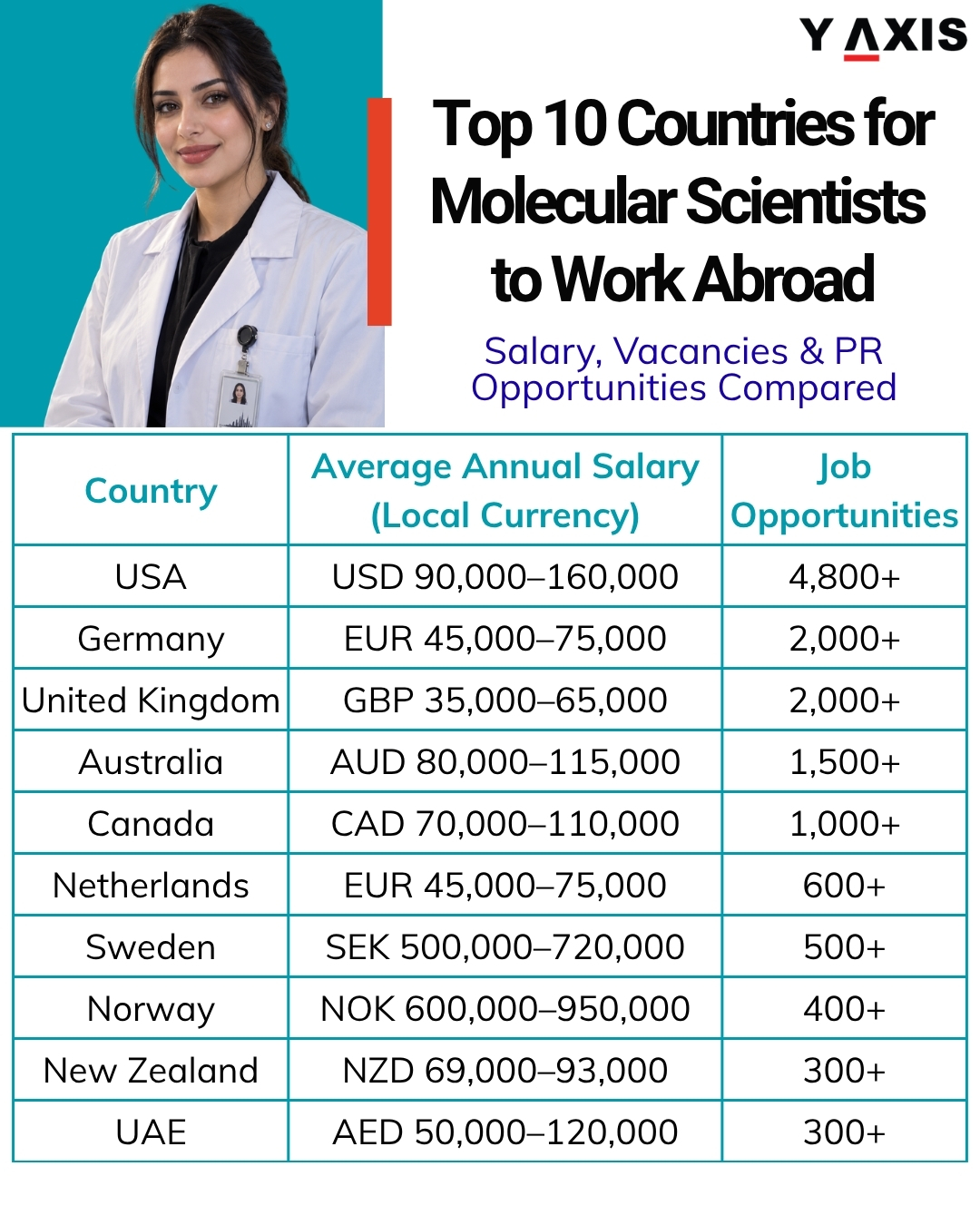
Posted On September 17 2026
Top 10 Countries for Molecular Scientists to Work Abroad: Salary, Demand & PR Opportunities Compared